
Navigating Weather and Geopolitical Trends
Exploring the Shifting Patterns of Growing Conditions


By the end of the month we'll witness a shift to a cooler and wetter weather pattern. This change will greatly benefit the growth of crops in a significant part of the grain belt. However, as the US summer growing season progresses, we're anticipating a shift towards warmer and drier conditions. This shift is due to the Global Angular Momentum transitioning into negative territory, which sets the stage for a more consistent and lasting period of warmer weather in the central grain belt. This warming trend is expected to extend into the fall, creating what's commonly known as an "Indian Summer."
This eventual warmer and drier period could lead to a rise in grain market prices, particularly for soybeans, before the pressures of harvest become prominent. Beyond the agricultural outlook, there's a notable geopolitical landscape to consider. Issues in regions like Russia/Ukraine and the Middle East are likely to continue surfacing. These events could contribute to a crisis in the wheat and rice agricultural complex, resulting in higher food prices as we move into the winter months in the northern hemisphere
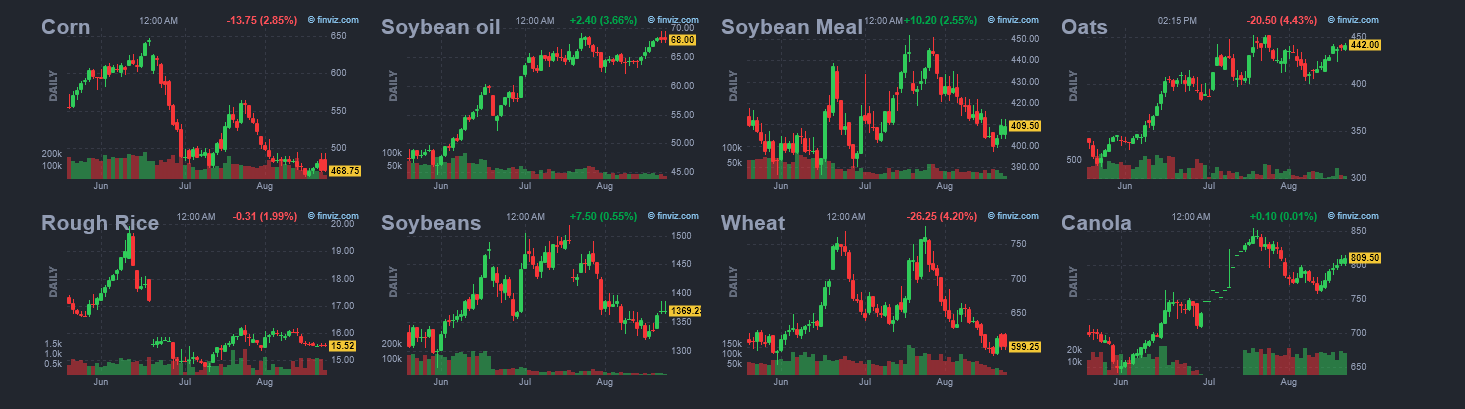
It's crucial to also monitor the energy sector. Russia and the Middle East are entering a period of instability, which could easily reignite concerns about energy security and availability. This situation might also benefit natural gas prices, driven by increased demand for cooling and the ongoing expansion of liquefied natural gas (LNG) exports. Additionally, reduced growth in US natural gas production could contribute to a more balanced pricing structure that aligns better with long-term supply and demand dynamics.
Meanwhile, as the El Niño weather pattern takes hold starting in mid-August, it's worth noting that markets involving rice, sugar, and cocoa may experience adverse weather effects in Asia and Africa. South America, in particular, should be cautious of flooding risks as its core growing season approaches.
Jason Perz AAO Research